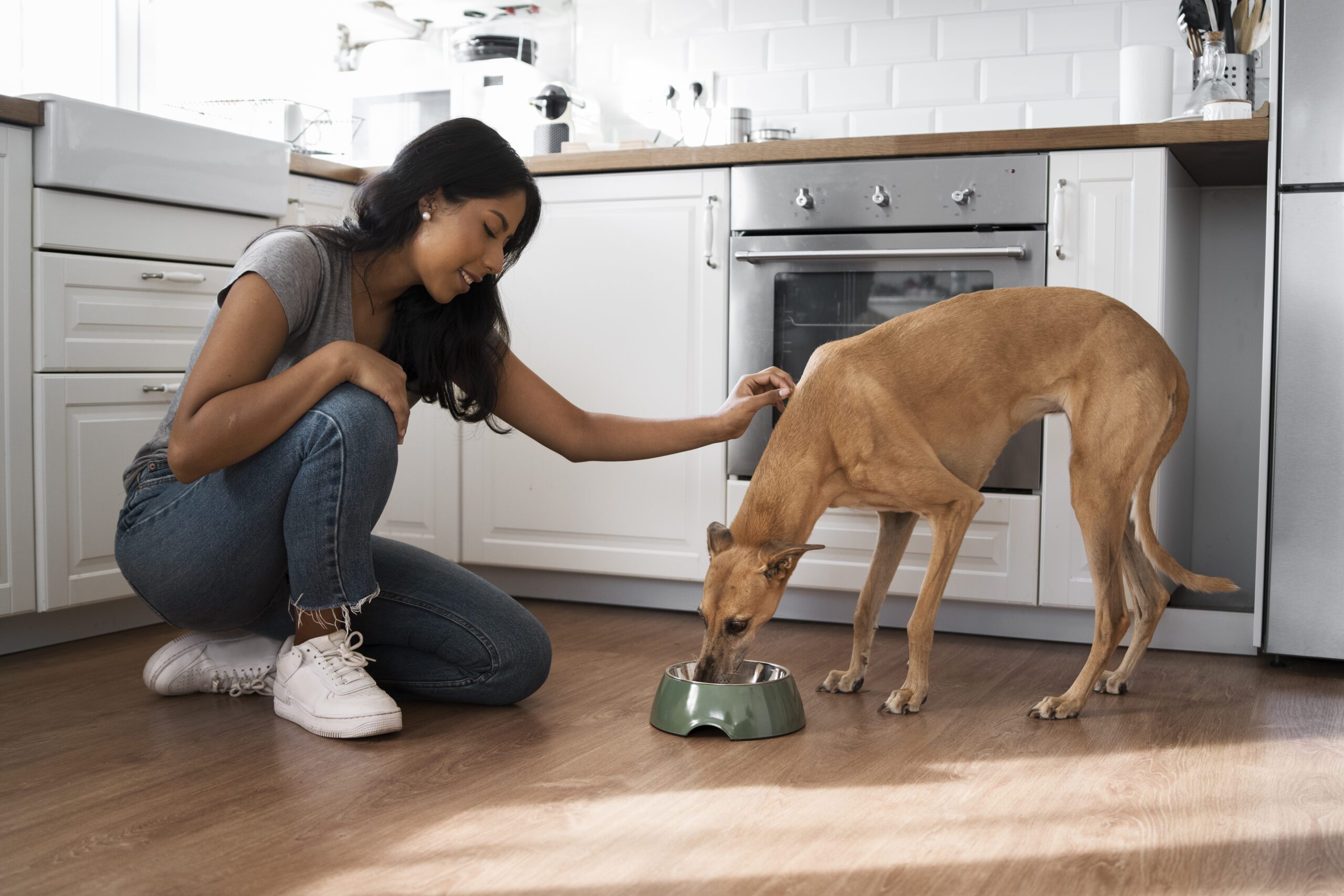
Introduction: Understanding the Raw Food Diet for Dogs
The raw food diet for dogs has really taken off over the last few years. If you spend any time around dog owners or online pet groups, you’ve probably heard someone talk about feeding their dog raw. What started out as a small trend has now become a pretty common topic, especially among people who want their dogs to eat in a way that feels more natural. But what does a raw diet actually look like? And why are so many owners trading in kibble for uncooked meat, bones, fruits, and veggies?
At its heart, raw feeding is simple: give dogs the kind of food their ancestors ate. Fresh, unprocessed meals that are packed with nutrients. Fans of raw feeding say their dogs end up with better digestion, shinier coats, healthier teeth, and overall more energy. When you picture wolves eating in the wild, they’re not munching on dry pellets—they’re eating whole prey, which includes meat, organs, bone, and sometimes plant matter from the stomach of their prey. That idea is what raw feeding is based on.
This guide walks you through everything—benefits, risks, meal ideas, what vets say, prep tips, and costs. By the end, you’ll know if a raw diet is the right move for your dog and how to start safely if you decide to try it.
Benefits of a Raw Food Diet for Dogs
Most people switch to raw because they’ve heard about the benefits, and many see noticeable improvements pretty quickly. One of the biggest ones is better digestion. Dogs with gas, bloating, constipation, or loose stools often improve after switching to raw, thanks to the high moisture and natural ingredients.
Many raw-fed dogs also get healthier skin and shinier coats. Kibble can contain fillers and artificial ingredients that cause itching, dryness, or allergies. Raw foods are full of natural oils and nutrients that help the skin and coat look their best.
Raw feeding can support better dental health too. Raw bones naturally scrape off plaque, keep teeth cleaner, and strengthen the jaw.
A lot of owners also notice their dogs have more energy. Fresh food doesn’t cause the same blood sugar spikes that carb-heavy kibble can, so dogs often feel more alert and active.
Raw diets can also help with weight control, build lean muscle, and support the immune system thanks to natural enzymes and antioxidants.
Nutritional Components of a Balanced Raw Diet
A balanced raw diet isn’t just meat—it’s a mix of protein, fat, organs, bones, and sometimes plants, depending on the model you follow.
Protein is the base of every meal. Dogs rely on it for muscle, tissue repair, hormones, and immune support. You want variety to avoid nutrient gaps.
Fats are also essential. They give dogs energy and support brain and skin health. But too much fat can cause problems like pancreatitis, so the amount needs to be right.
Organs are basically nature’s vitamins. Liver, kidney, and other organs provide important nutrients like vitamin A, iron, and B vitamins. Usually, organs make up about 10% of the diet.
Raw bones give dogs calcium and phosphorus, which help with bone and joint health. Raw bones are safe; cooked bones are not.
If you follow BARF, veggies and fruits are included too, usually blended or lightly steamed so dogs can digest them better.
Some owners add supplements like fish oil, probiotics, or kelp based on their dog’s needs.
Is Raw Feeding Safe for All Dogs?
Raw diets can be great, but they’re not perfect for every dog. Puppies can eat raw, but their meals need to be carefully balanced so they grow properly. Many new raw feeders start puppies on commercial raw for peace of mind.
Senior dogs can benefit too, especially those with digestive issues, but they may need softer bones or ground meat.
Dogs with certain medical conditions might need modified raw diets. For example, kidney issues require lower phosphorus, and pancreatitis requires low fat. In these cases, you should work with a vet who understands raw feeding.
Dogs with weakened immune systems might not do well on raw due to bacteria, and some households—especially those with small kids—need to be extra careful with hygiene.
Raw feeding can still be safe and healthy, but it needs to be done thoughtfully.
Risks & Challenges of Raw Feeding
There are a few challenges to keep in mind. Raw meat can contain bacteria, so hygiene is very important. Dogs usually handle bacteria better than humans, but there’s still some risk.
Another issue is imbalance. Feeding just meat without organs or bones can lead to long-term health problems.
Bones must be raw and appropriate for your dog. Cooked bones are dangerous.
There’s also the time factor—prepping, portioning, and cleaning can be a lot for busy owners. Getting ingredients, especially organs, can be tricky in some areas.
Raw feeding may cost more than kibble, especially for large dogs, though there are ways to keep costs down.
Common Ingredients in Raw Dog Meals
A balanced raw meal usually includes:
- Muscle meat: chicken, beef, turkey, lamb, duck, etc.
- Organs: especially liver, plus kidney, spleen, heart, and more.
- Raw meaty bones: chicken wings, duck necks, turkey backs, quail, etc.
- Green tripe: full of enzymes and probiotics.
- Veggies and fruits (BARF only): spinach, carrots, berries, pumpkin.
- Extras: eggs, sardines, kefir, chia seeds, bone broth.
Rotating ingredients helps cover all nutrients.
Foods to Avoid in a Raw Diet
Some foods are dangerous for dogs, even in small amounts. These include:
- Grapes and raisins
- Onions and large amounts of garlic
- Macadamia nuts
- Chocolate
- Anything with xylitol
- Alcohol and caffeine
Avoid cooked bones—they’re extremely risky. Also avoid seasoned meats, fatty table scraps like bacon, and some risky proteins like raw wild salmon or wild boar unless properly treated.
Sample Raw Feeding Meal Plans
For Puppies:
Higher fat and properly balanced calcium and phosphorus are important. A typical meal might include chicken thigh, ground turkey neck, beef liver, and blended veggies. Puppies eat more per pound than adults.
For Adult Dogs:
Most adults eat about 2–3% of their ideal body weight. Meals often rotate between chicken, beef, turkey, lamb, fish, and occasionally tripe.
For Senior Dogs:
Soft textures and easy-to-digest proteins work best. Ground raw or softer bones help older dogs with dental issues. Supplements like omega-3s or glucosamine can be helpful.
Store-Bought Raw Dog Food Options
If homemade isn’t for you, there are plenty of good commercial raw options. These include:
- Frozen raw patties
- Freeze-dried raw
- Dehydrated raw
- Raw-coated kibble
Frozen raw is the closest to homemade. Freeze-dried is the most convenient but also the priciest.
Look for brands with good sourcing, balanced formulas, and no fillers. Some popular options include Primal, Stella & Chewy’s, Instinct Raw, Steve’s, and Nature’s Variety.
Veterinarian Opinions About Raw Feeding
Vets don’t all agree on raw diets. Some fully support them and believe they’re healthier than kibble. Others worry about bacteria, choking hazards, and nutritional imbalance.
Many traditional vets prefer kibble because it meets AAFCO standards and is easier for owners to handle correctly. Holistic vets tend to be more open to raw and often help owners create balanced plans.
Opinions are slowly shifting as more research comes out and more pet owners show positive results.
Conclusion
Feeding your dog a raw diet is a big decision, but it can be incredibly rewarding when done correctly. You’ve seen the benefits, the risks, how to prepare meals, what to avoid, and what vets think about it. You’ve also learned how to tailor raw feeding to dogs of different ages and needs.
Raw feeding isn’t just about feeding uncooked meat—it’s about understanding what dogs are built to eat. Many owners find the experience more personal and feel better knowing exactly what goes into their dog’s bowl.
If you decide to give it a try, go slow, learn the ratios, introduce proteins gradually, and pay attention to how your dog reacts. A knowledgeable vet can also help guide the process.
Raw feeding is really about going back to simple, natural nutrition. With some learning and consistency, it can be one of the best things you do for your dog’s health.
FAQs About Raw Food Diets for Dogs
1. Can I mix kibble and raw in the same meal?
You can, but most people find it easier to feed them in separate meals since kibble digests slower. Many dogs do best when they get raw in one meal and kibble in another.
2. How long does it take a dog to adjust?
Most adjust within one to three weeks. Mild changes in stool or gas are normal at first. If problems last longer, you may need to adjust the diet.
3. Is raw feeding safe with kids in the house?
Yes, as long as you follow good hygiene—wash hands, clean surfaces, and store meat properly. Some families choose freeze-dried raw for extra peace of mind.
4. How much raw food should my dog eat?
Most adult dogs do well with 2–3% of their ideal weight per day. Puppies may need up to 10%. Active dogs may need more.
5. Do raw-fed dogs need supplements?
Not always. A balanced, varied raw diet can cover everything they need. Some owners add things like fish oil, kelp, turmeric, or probiotics depending on their dog’s specific needs.